We’d love to hear your experience on our website! Give us your feedback here!

TŌ MAHI?
Your
Career?
See if you are suited to a career supporting people with intellectual disabilities.
Is Support Work
a Career for you?
Support workers help people with intellectual disabilities live richer, more independent lives. As demand for skilled support workers continues to grow across New Zealand, there are increasing opportunities to build a rewarding long term career in the sector.
Take our quiz to see if you are suited to support work.
Take Quiz
Hello,
I’m Robert
“What I get out of this work is connection. I feel part of something and I have a place to grow while supporting others to grow too.”
NGĀ KŌRERO A NGĀ KAIMAHI TAUTOKO
Support worker stories
Hear what its like to be a support worker right from the source.
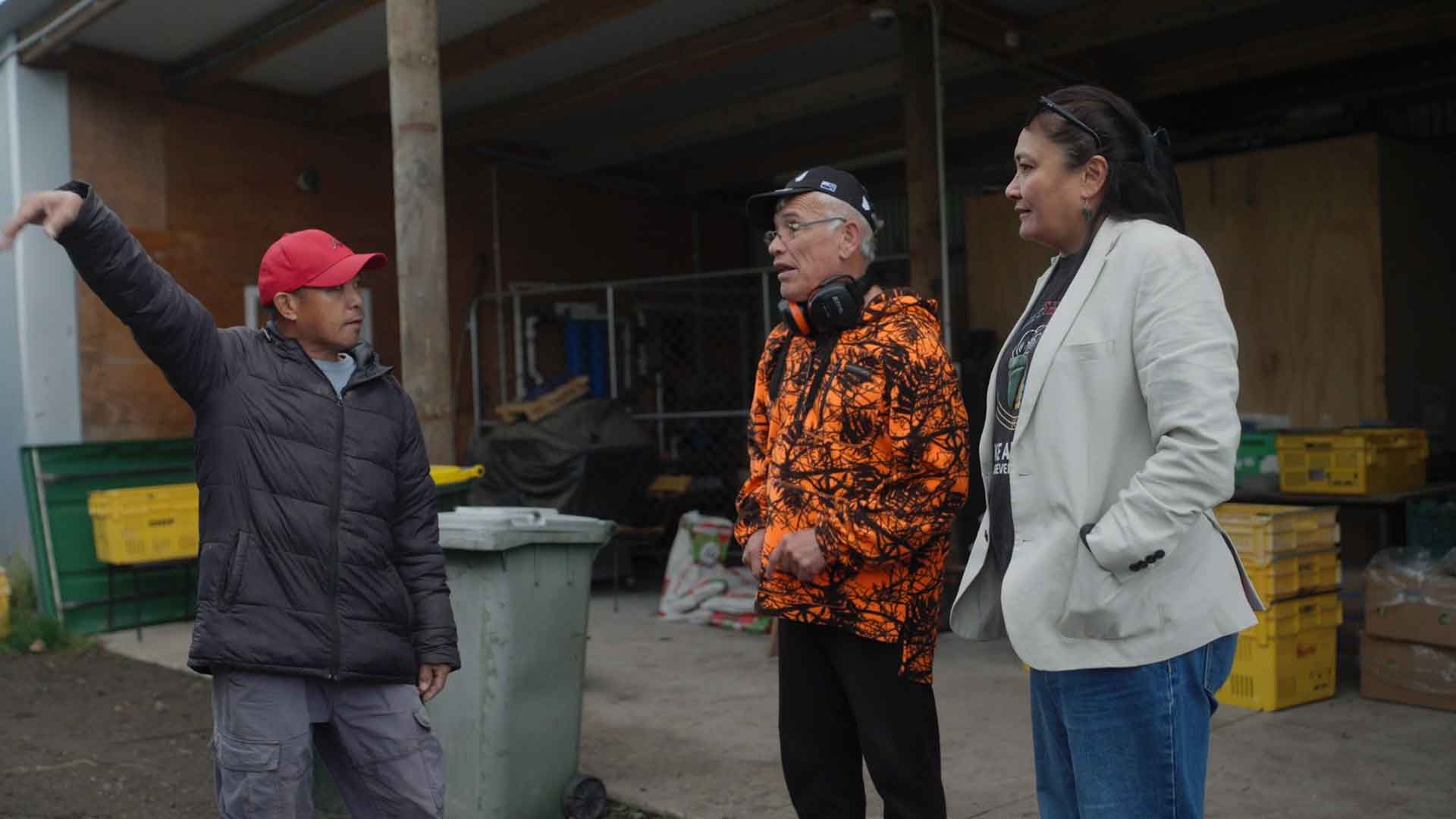
Meet William & Bella
Join William and Bella as they share their morning routine, including getting ready for William’s work on a New Zealand farm.
Read More
William is 72 and shares his home with two flatmates. He has an intellectual disability and receives support with some aspects of everyday living. Bella has been a support worker for 12 years and has supported William for the past five years.
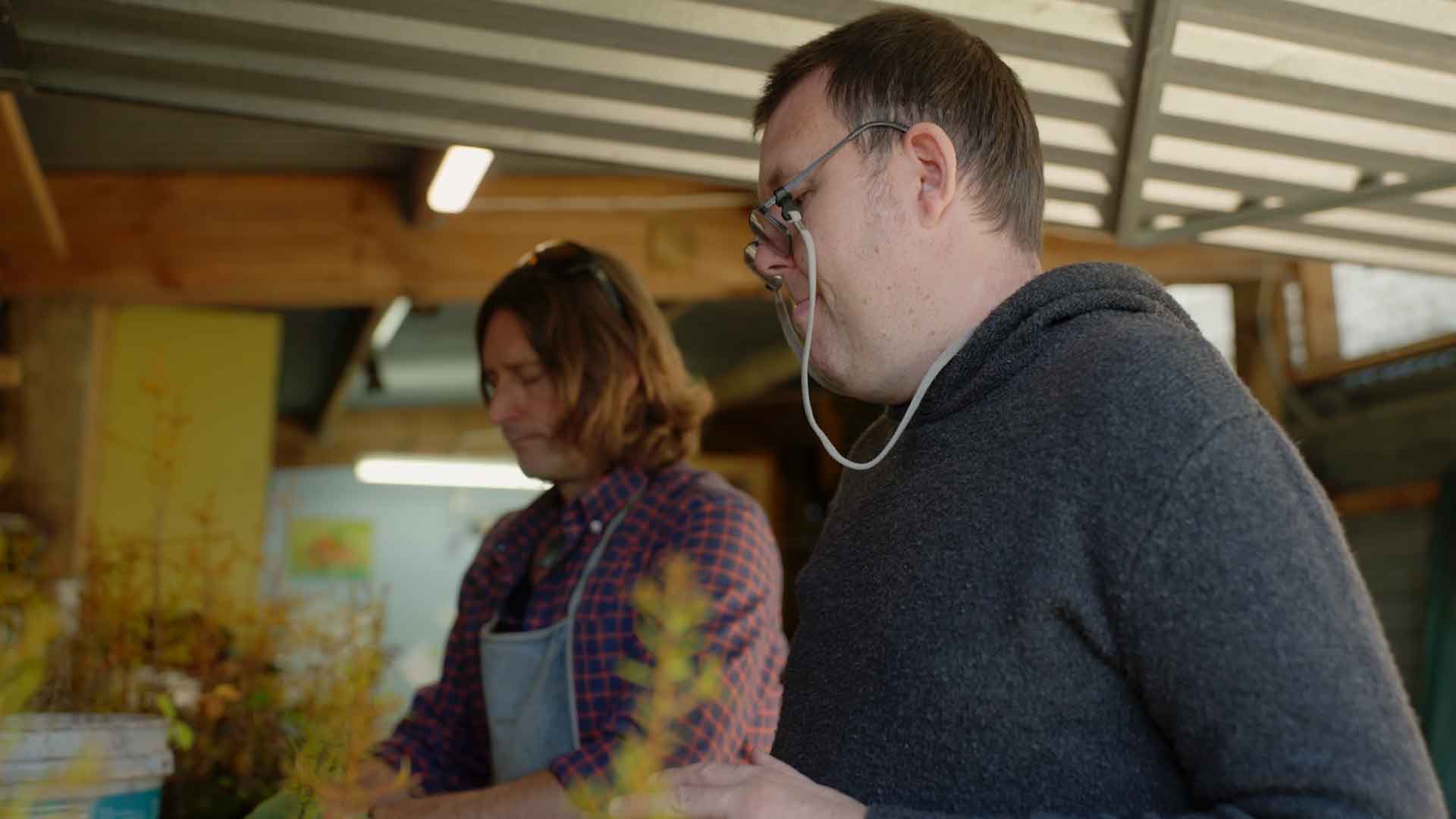
Meet Justin & Lane
Spend time with Justin and Lane at a New Zealand native tree nursery, where Justin works with individualised support from Lane.
Read More
Justin is 37 and has an intellectual disability. Lane has been a support worker for 20 years and has supported Justin for the past 15 years.

Meet Amy & Roslyn
Follow Amy and Roslyn as they shop at the supermarket before heading home to prepare dinner together.
Read More
Amy is 33 and shares her home with two flatmates. She has an intellectual disability and receives support with some aspects of everyday living. Roslyn has been a support worker for 14 years and has supported Amy for the past 6 years.

Meet Jack & Ignacio
Join Jack and Ignacio for a glimpse into Jack’s evening routine, from dinner through to getting ready for bed.
Read More
Jack is 22 and has an intellectual disability and lives with 2 flatmates. He receives one on one support from Ignacio, who has been in support work for 16 years. The two have known and worked with each other for many years.


What does it take
to be a Support Worker?
Great support workers come from all walks of life, but they share many of the same qualities. If you are willing to learn and treat others with respect, support work could be the career for you.

A Sense of Humour
A good sense of humour can help build relationships, reduce tension and make everyday activities more enjoyable.
Optimism
This work relies on you believing in everyone’s potential and having the passion and creativity to find ways to remove barriers.
Patience
Sometimes tasks might take longer or behaviour might become challenging. Patience allows you to respond calmly. A patient support worker avoids rushing or taking over and looks for different ways to support a person to participate as independently as possible.
Empathy & Respect
Empathy involves trying to understand how another person may be feeling, while respect means recognising their rights, dignity, choices and individuality. These qualities help a support worker provide person-centred support and value the person as an active partner in their own life
Communication
Effective communication involves listening carefully, speaking clearly and checking that information has been understood. A support worker adapts their communication to a person’s preferences and needs, which may include using pictures, gestures, sign language, communication devices or other forms of support.
Reliability
Reliability means being dependable, prepared and consistent in the way support is provided. By arriving on time, following through on commitments and following agreed plans, you build trust and create a sense of safety.
Calm under Pressure
Being calm under pressure helps a support worker respond thoughtfully when someone is upset, anxious or experiencing a difficult situation. You can focus on safety, use agreed support strategies and avoid reacting in ways that may increase the person’s distress
Resilience
Resilience is the ability to manage challenges, recover after difficult situations and continue providing respectful, consistent support. As a resilient person, you recognise when you need help, use supervision or debriefing appropriately and take care of your own wellbeing so you can remain effective in your role.
ME PĒHEA TE NOHO HEI KAIMAHI TAUTOKO I AOTEAROA?
How do you become a support worker in New Zealand?
If you think support work is right for you and you would like to live in New Zealand, this section will guide you through each stage of the journey, helping you understand what to expect before you begin.