We’d love to hear your experience on our website! Give us your feedback here!

TŌ TĀTOU TAUIRA TAUTOKO
Our Model
of Support
Discover the values, principles and approaches that shape disability support in Aotearoa New Zealand, and why person-centred support is at the heart of everything we do.
TAUIRA TAUTOKO O AOTEAROA
New Zealand
Model of Support
Support work in New Zealand is based on a person-centred approach. Rather than doing things for people, support workers work alongside them, respecting their rights, choices and goals.

Choice
People are supported to make their own decisions, from everyday choices to bigger goals around relationships, work and the future. As a support worker, you’ll listen, help people explore options and respect their choices, giving them time and encouragement to do things for themselves.
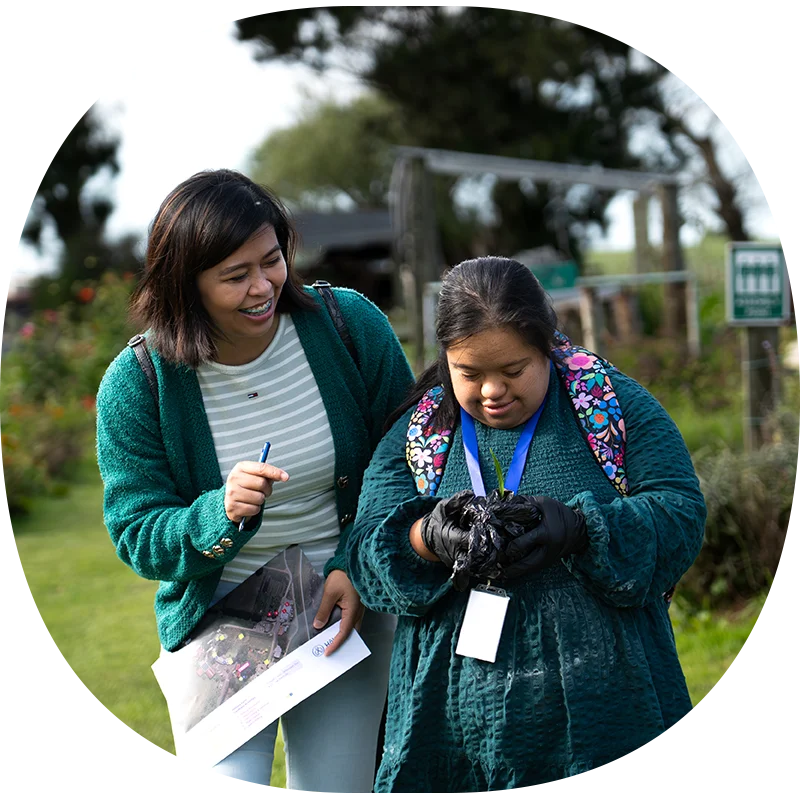
Rights and inclusion
Everyone has the right to dignity, respect, a voice and full participation in their community. Support workers help remove barriers and create opportunities for belonging, whether that means joining a club, pursuing learning or employment, maintaining friendships or enjoying activities.
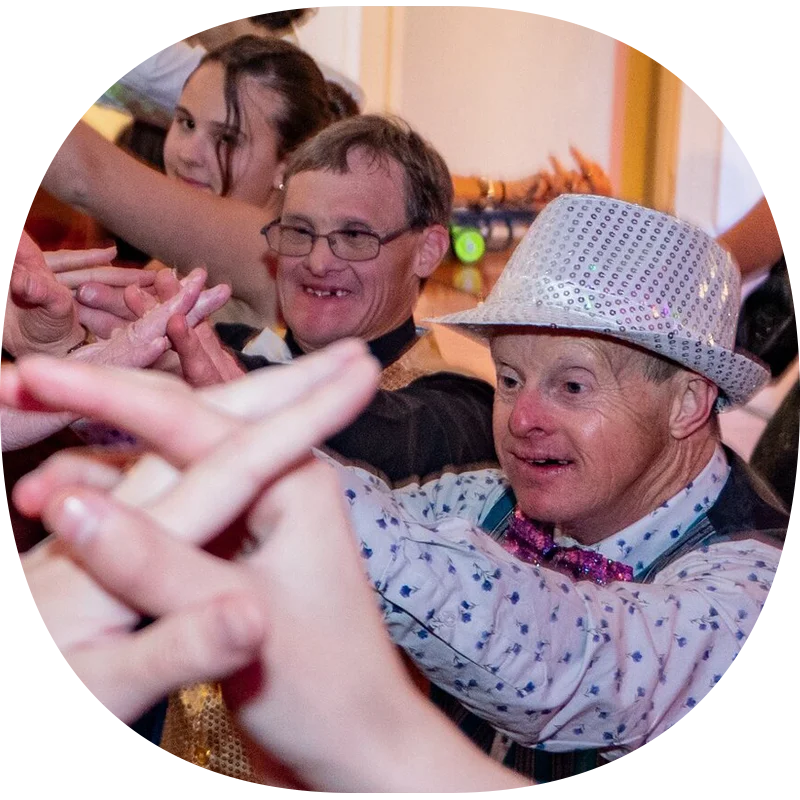
Holistic wellbeing
Wellbeing includes physical health, thoughts and feelings, spiritual beliefs, culture and relationships. These are connected and look different for everyone. As a support worker, you’ll learn what matters to each person, supporting routines, connections and experiences that help them live a fulfilling life.

Te Tiriti-Informed Practice
Te Tiriti o Waitangi informs support that respects Māori as partners and upholds culture, identity and rights. As a support worker, you’ll listen to Māori perspectives, respect tikanga (customs and practices), support whānau (family) connections and remain open to learning, guided by each person’s preferences.
Te Tiriti Informed Practice
— Introduction to Te Tiriti o Waitangi
Māori are the indigenous people of Aotearoa New Zealand often referred to as tangata whenua (people of the land).
Te Tiriti o Waitangi is an important agreement in Aotearoa New Zealand that was signed in 1840 by indigenous Māori chiefs and representatives of the British Crown.
It is a living document that shapes law, policy, education and partnership between Māori and the Crown (government) in Aotearoa. It’s about working with the community in a spirit of respect, partnership and shared learning.
Te Ao Māori can be understood as the Māori worldview, it encompasses many elements of Māori culture and practice.
Understanding Te Tiriti and Te Ao Māori helps us offer culturally safe support.
Hello,
I’m Jo
“The reward of caring for our kaumatua (elders) is why I keep coming to mahi (work) every day. Having the privilege to advocate for those unable to do it themselves. Retaining connection to whānau (family), whenua (the land) and whakapapa (ancestry) is always at my forefront when in my role.”
New Zealand
Holistic Wellbeing
In Aotearoa New Zealand, many organisations use Te Whare Tapa Whā, a Māori model of wellbeing developed by Sir Mason Durie. It recognises that wellbeing is about the whole person, with four interconnected aspects of life: physical, mental and emotional, family and social, and spiritual wellbeing.
For support workers, this means looking beyond a person’s immediate needs and supporting every part of their wellbeing so they can live a healthy, meaningful and fulfilling life.
Click/hover on the markers below to read about the different aspects of wellbeing.

Taha Wairua – Spiritual Wellbeing: This dimension is about personal identity, self-esteem, values and having a clear sense of purpose. You can support someone’s spiritual wellbeing by respecting their choices, helping them advocate for themselves and encouraging them to pursue what makes them proud.
Taha Hinengaro – Mental & Emotional Wellbeing: It’s important for our mental and emotional wellbeing to have rich and full experiences. When your taha hinengaro is strong, you can cope with the challenges life throws at you. Support workers can strengthen this dimension of wellbeing by helping people eat well, find activities that challenge and bring joy and learn strategies to navigate strong emotions.
Taha Whānau – Family & Social Wellbeing: This dimension is about maintaining meaningful relationships. It includes keeping chosen friendships strong, staying connected with family and feeling included in community. A support worker becomes a part of that community too and plays a role in helping strengthen those connections.
Taha Tinana – Physical Wellbeing: This dimension focuses on both the physical body and the environment we live in. To achieve physical wellbeing, we need to provide the body with all it needs to be fit and healthy. It’s also about creating physical environments for work and living that are good to experience. Support workers help individuals choose active routines, prepare nutritious meals and learn skills to manage their own physical wellbeing and environment.
Whenua – The Land/Foundations: This dimension is the vital foundation under the house that connects a person to the physical earth and environment. For support workers, this means ensuring people feel safe and truly at home in their physical surroundings. This might mean navigating their neighbourhood safely or connecting with places that bring them joy.
The Legal Framework
Support work in New Zealand is guided by legislation and national standards that protect the rights, safety and wellbeing of people receiving support.
While you don’t need to memorise every law before you begin, it’s important to understand that support workers have legal and professional responsibilities. During your induction and ongoing training, you’ll learn about the legislation, standards and organisational policies that apply to your role.
Understanding these frameworks helps ensure people are supported safely, respectfully and with dignity.
Hello,
I’m Suhelie
FROM SRI LANKA
“Training is really important, especially learning about the culture. It’s a must. I was a nurse before — I wore a uniform and did things for people. Here, I learned how to encourage people and support them.”
Understanding New Zealand Culture
Take a look at some of our Cultural E-Learning modules.
Cultural Competency
in New Zealand
ME PĒHEA TE NOHO HEI KAIMAHI TAUTOKO I AOTEAROA?
How do you become a support worker in New Zealand?
If you think support work is right for you and you would like to live in New Zealand, this section will guide you through each stage of the journey, helping you understand what to expect before you begin.